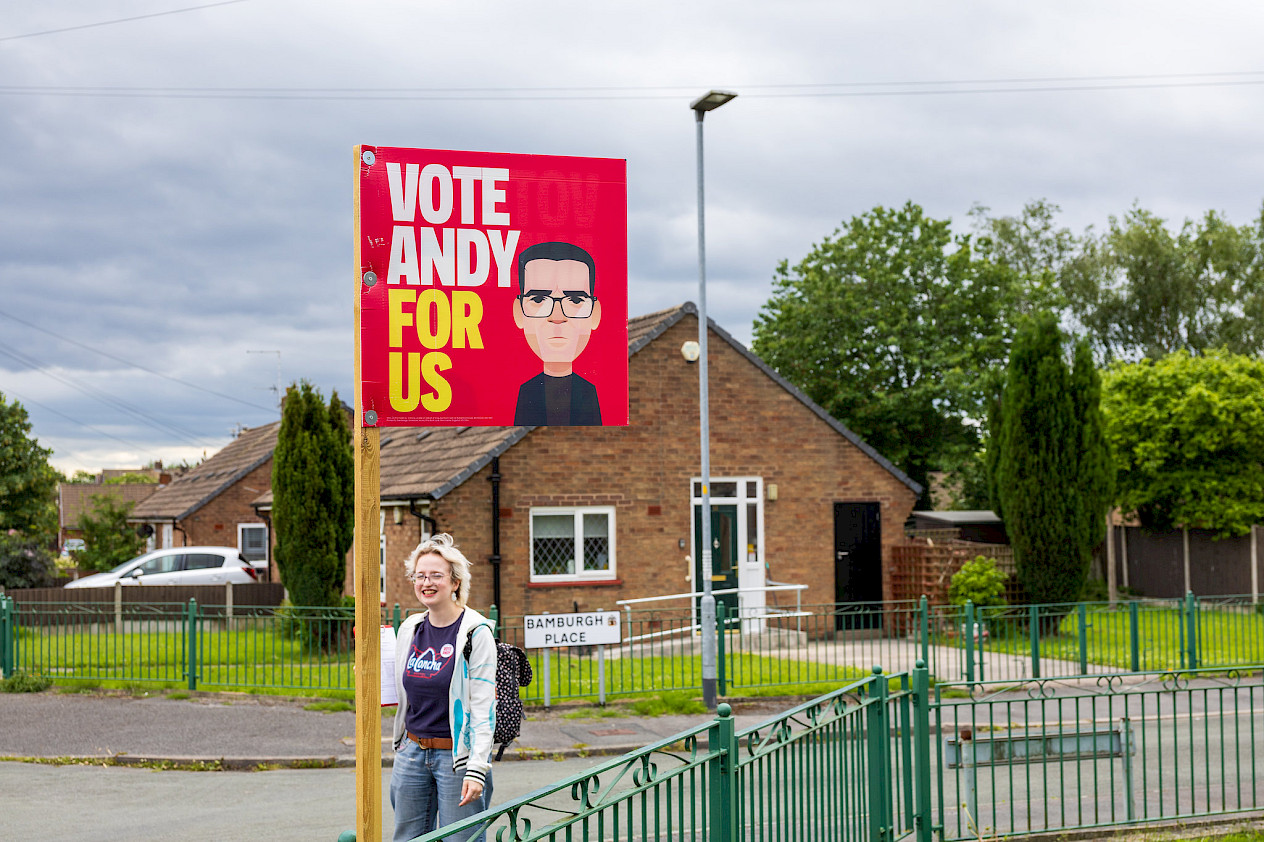
Private profit-making companies can do many things well; running essential public services and natural monopolies is not one of them. Andy Burnham has rightly called time on an extreme ideological experiment that has been robbing the country blind since Thatcher.
The Labour Party has a proud history of delivering public services for the public, from the NHS - arguably the best thing humans have ever created - to the Blair government when Stephen Byers protected the public against private Railtrack’s failures, to Labour mayors today taking buses into public hands, and trains too in Liverpool. Burnham’s very first speech in parliament recognised the huge opportunity to build on that legacy, giving a clear identity and purpose to this government.
A policy of strong public services working for people not profit fits with announcements that have already been made, such as ending rough sleeping, cutting bus fares and giving communities a stake in local energy generation. People want hope but they want it anchored to a set of principles that are classically Labour, classically British and uncompromising enough to make a difference to their lives.
They want energy bills they can afford, clean rivers and seas, public transport that’s genuinely easier than driving or flying, an NHS to be proud of, care that families and communities can rely on, a Royal Mail that actually delivers letters. They want decent wages for a hard day’s work and true accountability over services that used to belong to them. This isn’t about turning back the clock but about reasserting the social contract in the name of justice and fair play - and cracking on with delivering what the country needs at pace.
We argue that the government must understand the necessity of public ownership, not just public control. Public ownership will succeed if the policy programme is bold, properly funded and clearly communicated - a coherent vision of taking back key services and assets for the benefit of the British public
Some of this can and must be done through creating new institutions and insourcing contracts but the government shouldn’t be afraid to engage in the necessary negotiations around compensation of shareholders. People want to see this kind of bravery from politicians and they will reward it.
Our key recommendation is that the government should use legislation - in particular an expanded special administration regime - to take back our assets by holding the current owners to account. Regulation cannot be a wishy washy compromise with the status quo. It must involve forcing private companies that are “too big to fail” to invest their own money and deliver on their statutory duties.
Squeeze them as far as possible and when they become unprofitable and collapse, take them back. Stand ready with a public sector provider - not just in the context of utilities but other services like social care.
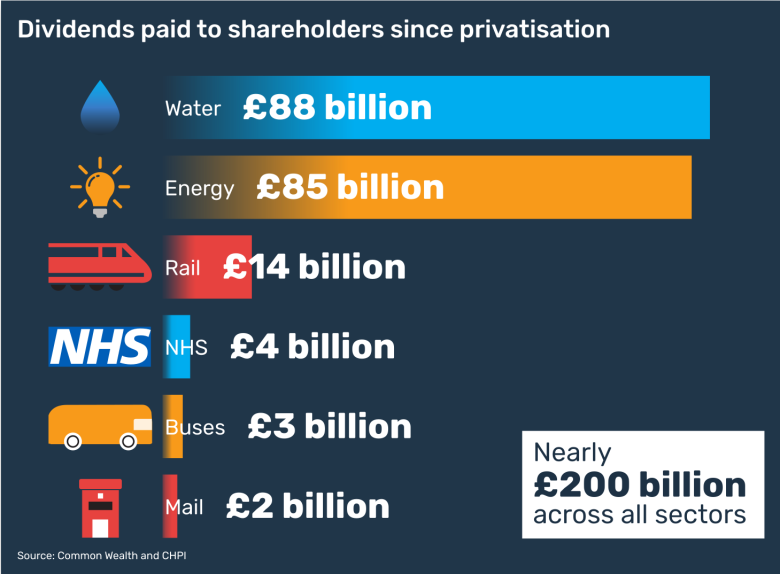
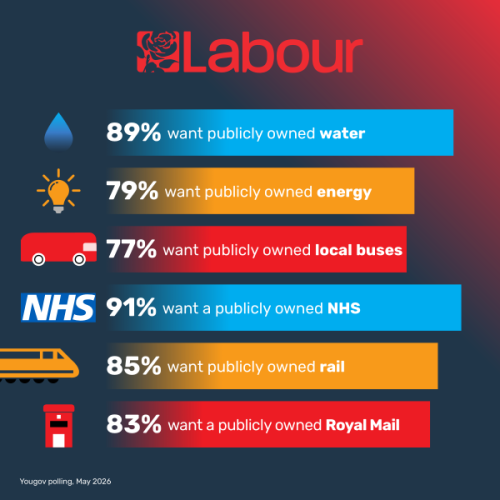
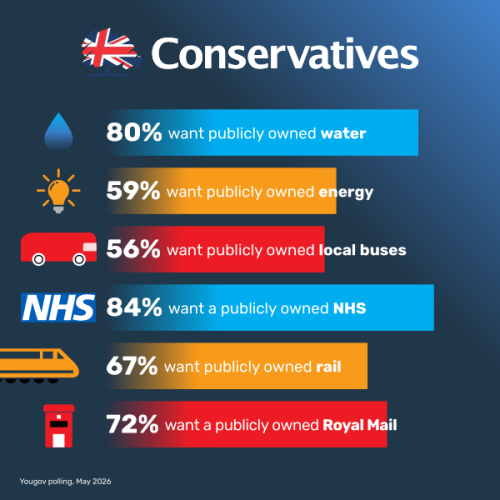
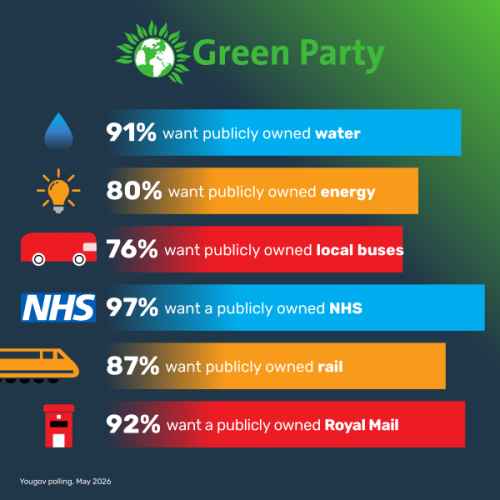
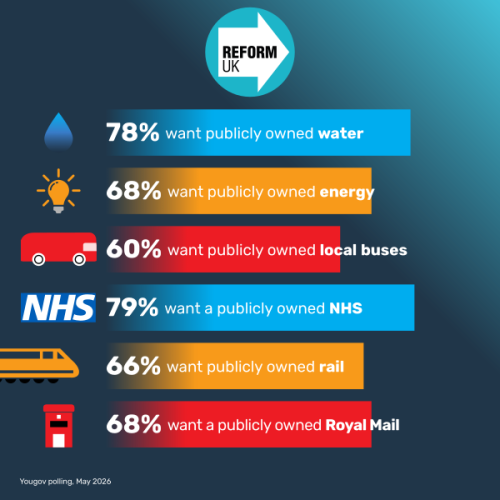
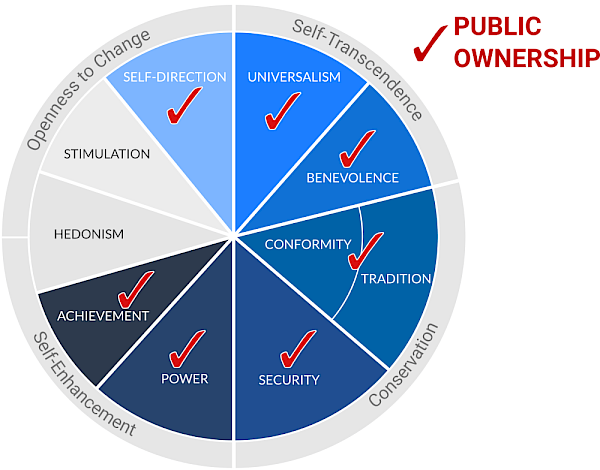
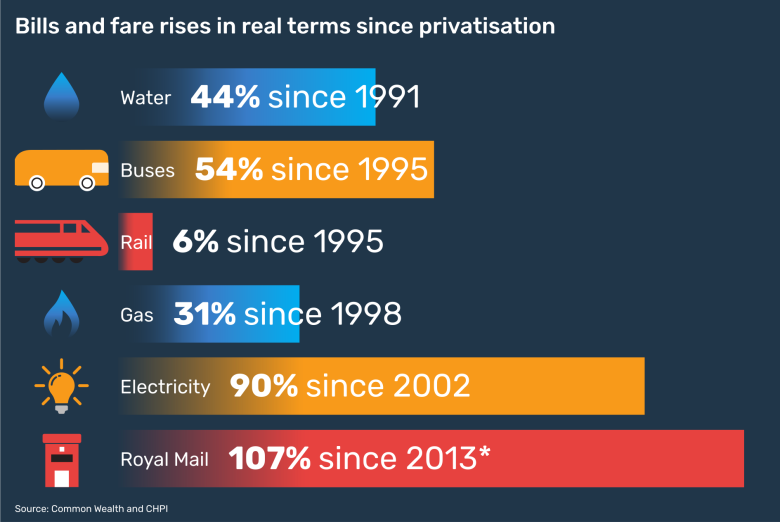
Public ownership is politically worth it because it is popular with both left and right, and taps into a patriotism that both can get behind. Our solution enables the government to create space to plan and deliver directly, to tackle service failures with a consistent approach and messaging, and to deal with a root cause of the cost of living crisis.
In an era when simple messages land and conflict grabs attention, Burnham can be a hero by going out to bat on behalf of the British public against the shareholders around the world who are ripping us off in so-called “markets” where households have no choice.
This report provides an overview of how public ownership can be delivered and why it’s worth it. We hope it will encourage the Prime Minister, Ministers and MPs of all parties - but particularly Labour MPs - to seize the moment. Suggested policies are emphasised throughout.